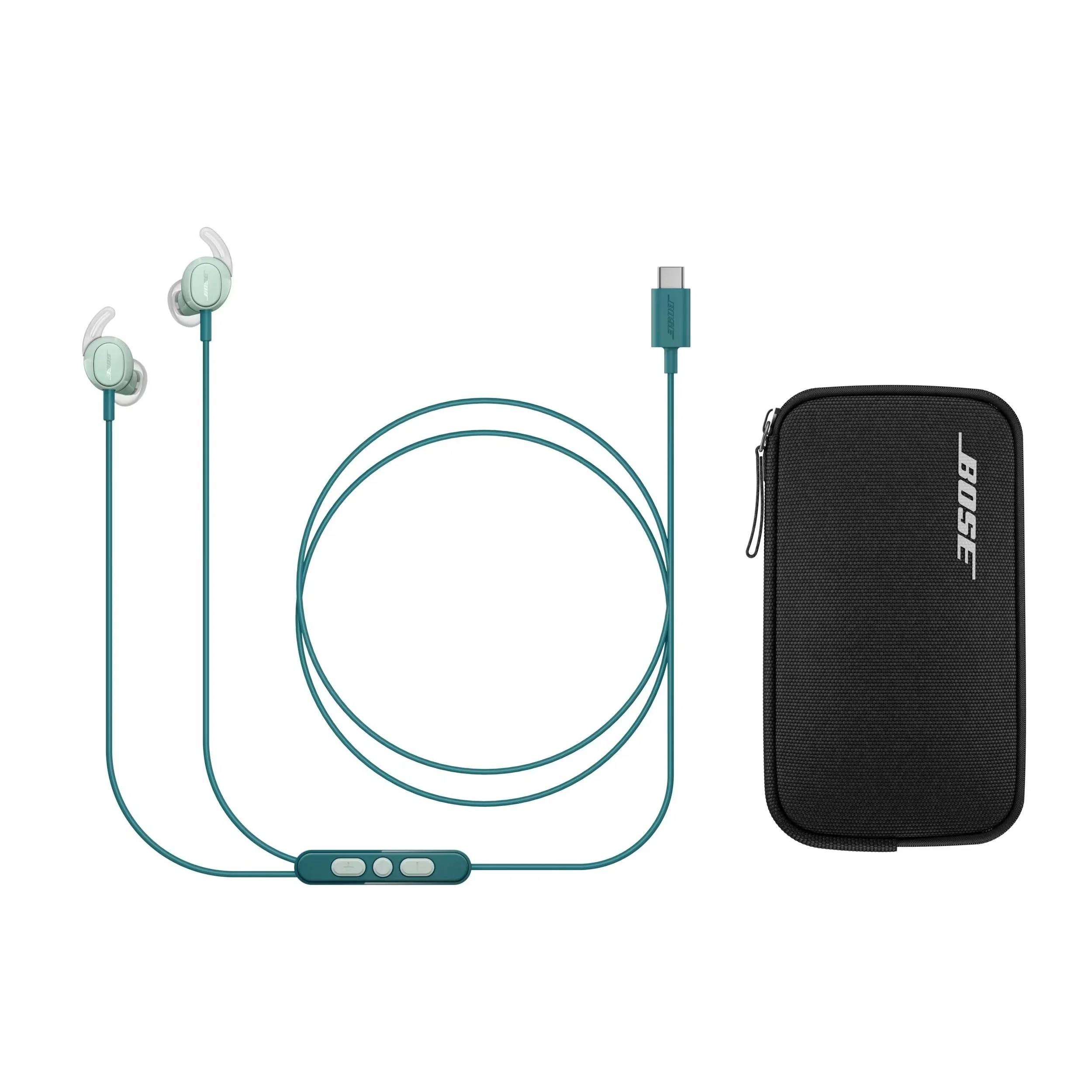
I never would have thought that, in an age when every consumer, whether a tech enthusiast or an audiophile, would be scrambling to buy a pair of wired earbuds in 2026; many even call it pure nostalgia. Yet here it is: today, store shelves are empty, and backorders last for weeks. Bose has unexpectedly found itself in a pickle.
So what product is selling out at electronics retailers? The Bose Noise Canceling Wired Earbuds, a $99 USB-C model, have captured the market by solving the fatigue, expense, and disposable nature of modern wireless audio.